The Performance–Weight Tradeoff in 2026
Thin and light gaming laptops have always required a compromise: lower TGP (the GPU's power limit) to manage thermals in a slim chassis. A standard RTX 5070 laptop at 115W TGP in a 2.3kg chassis becomes an 85–95W TGP RTX 5070 in a 1.6kg machine. That's roughly 15–20% less performance — still capable, but worth knowing before you buy.
The good news: at 1080p and 1440p with DLSS 4, that gap mostly disappears. An RTX 5070 at 90W with DLSS 4 Quality mode at 1440p produces the same playable framerate as a 115W machine rendering natively. For thin and light buyers, DLSS 4 is not optional — it's the key that makes the category work.
1. Best Thin & Light: ASUS Zephyrus G14 (2026)
The Zephyrus G14 remains the gold standard for thin and light gaming. At 1.6kg and 18.5mm thin, it genuinely doesn't feel like a gaming machine until you open a game. The 14" OLED 2880×1800 panel is one of the best laptop displays at any price. The Ryzen AI 9 + RTX 5070 combination delivers 1440p gaming performance that would have required a 2.5kg machine two years ago.
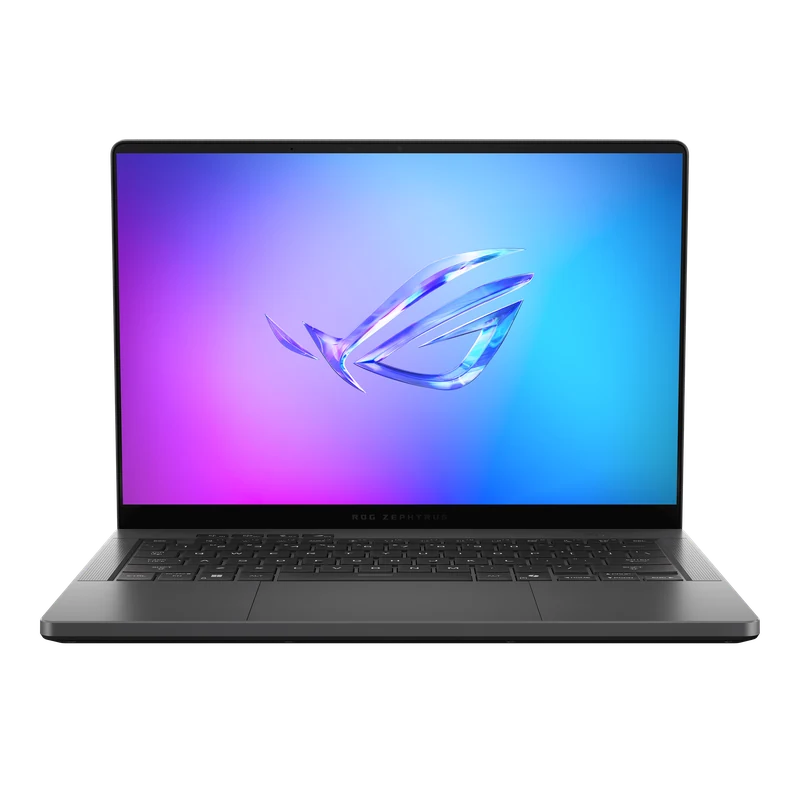
- 1.6kg — disappears in a bag
- OLED 2880×1800 — stunning display
- 6+ hour gaming battery
- Ryzen AI 9 efficiency advantage
- AniMe Matrix LED lid — iconic design
- 90W TGP — 15% slower than full spec
- 14" can feel small for extended gaming
- 120Hz OLED — not 165Hz
2. Best Premium Build: Razer Blade 14
No gaming laptop is better built than the Razer Blade 14. The CNC-machined aluminium chassis is rigid, cold, and premium in a way that plastic machines cannot match. At 1.78kg it's slightly heavier than the G14 but the build quality differential is immediately apparent when you hold both. The RTX 5070 runs at a slightly higher 100W TGP thanks to Razer's more aggressive thermal design.
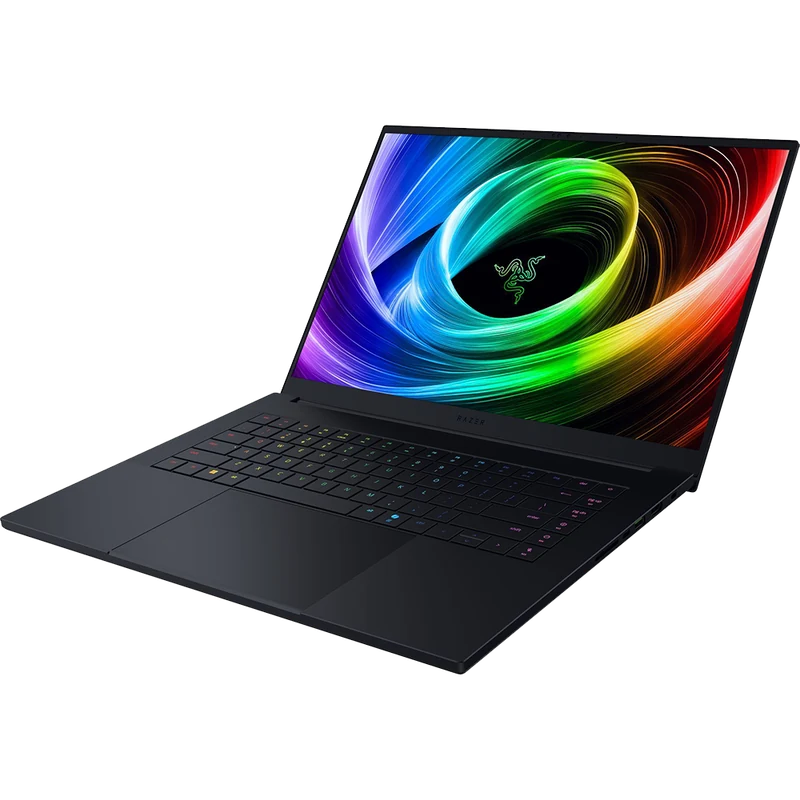
- CNC aluminium — best build quality in class
- OLED 165Hz — faster than G14's 120Hz
- 100W TGP — higher than G14
- Iconic minimal design
- $400 more than the G14
- 5.1h battery — shorter than G14
- Razer's warranty support is inconsistent
3. Best Value Thin: MSI Stealth 14 (2026)
MSI's Stealth 14 brings the sub-2kg form factor to a lower price point. The trade-offs are a non-OLED QHD+ IPS panel (still excellent at this price) and slightly shorter battery life. For buyers who want thin and light without paying the OLED premium, the Stealth 14 is the pick.
- $200 less than Zephyrus G14
- 1.7kg — nearly as light
- 165Hz IPS — faster refresh than G14
- Good thermals for slim chassis
- IPS — no OLED contrast or colour
- Less premium feeling than G14 or Blade
- 90W TGP same as G14
4. Best for a Bigger Screen: ASUS Zephyrus G16
The Zephyrus G16 proves that 16" doesn't have to mean heavy. At 1.9kg, it's one of the lightest 16" gaming laptops available, and the OLED 2560×1600 display at 240Hz is a genuine step up from 14" machines. For anyone who finds 14" too cramped but doesn't want to carry a typical 2.3kg+ laptop, the G16 hits a real sweet spot.
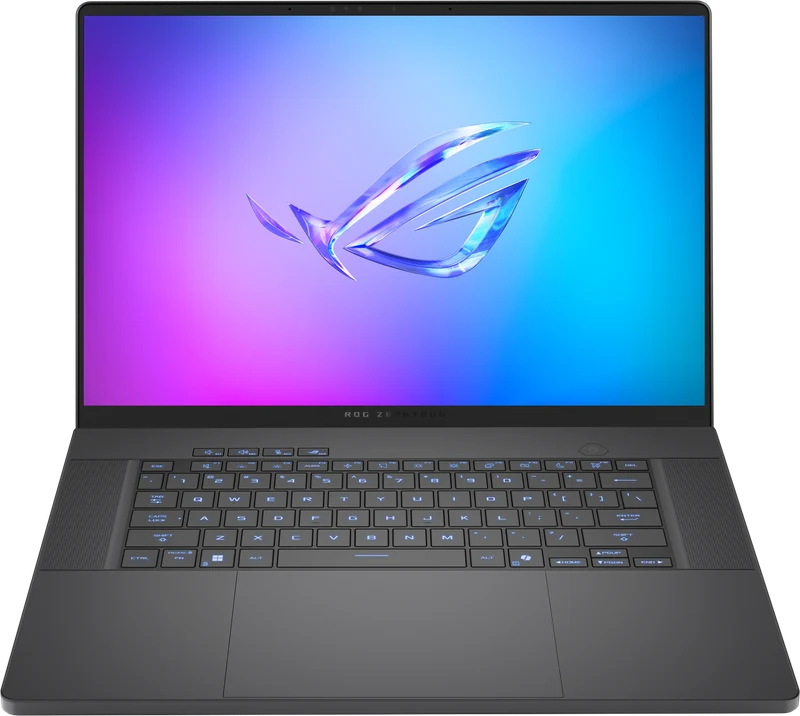
- 16" OLED 240Hz — best in thin & light
- RTX 5080 at a thin chassis weight
- 1.9kg — lightest 16" RTX 5080 laptop
- 6-speaker audio system
- Significant price premium
- RTX 5080 at 100W — not full spec
- Pricier than heavier alternatives
Is the Weight Premium Worth It?
Thin and light gaming laptops typically cost $200–400 more than equivalent-spec standard gaming laptops. The Zephyrus G14 costs $1,799 for an RTX 5070 OLED. The Lenovo Legion 5i costs ~$1,799 for the same GPU and a better OLED display — but it weighs 2.3kg. You're paying $300 for 0.7kg of weight savings and a slimmer profile.
Whether that's worth it depends entirely on your life. If you carry your laptop daily, walk significant distances, or travel frequently, that 0.7kg is noticeable after months of use. If you're mostly desk-bound, spend the $300 elsewhere or buy a better GPU tier.